
What Happens To Your QA/QC Data When An Inspector Leaves?
In civil engineering and construction materials testing, Quality Assurance (QA) and Quality Control (QC) are the backbone of project accountability. This data is the record of what was built, how it was tested, and whether it met the project specifications. When that data lives partly in someone’s head, on their laptop, or in a storage […]
What Does “Audit-Ready” Mean in Materials Testing?
For materials testing laboratories across the United States, the phrase “audit-ready” carries serious operational and business importance. Whether serving Departments of Transportation, municipalities, engineering firms, or commercial clients, laboratories are expected to maintain accurate records, qualified personnel, controlled procedures, and defensible testing results at all times. An audit may come from a state agency, an […]
5 Must-Have LIMS Dispatch Features for CMT Labs
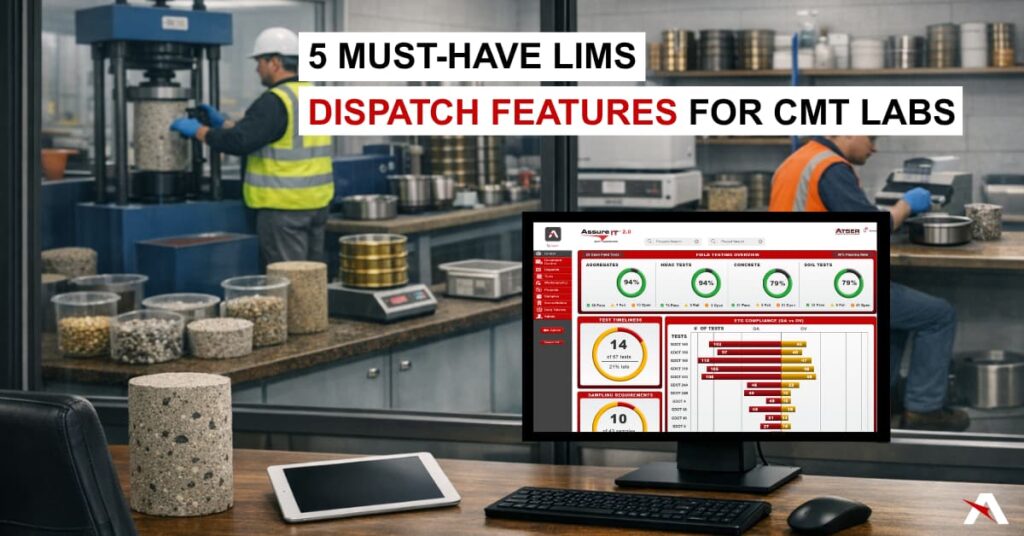
For decades, project managers in materials testing have relied on disconnected workflows, paper logs, phone calls, wall charts, and email chains to coordinate field technicians and lab operations. The result? Chronic miscommunication, scheduling bottlenecks, and costly inefficiencies that compound across every project phase. The numbers tell a story. According to the U.S. Bureau of Labor […]
Field Data Collection Best Practices For Infrastructure Projects

Imagine years of critical project data stored in paper files, destroyed instantly by a fire in your lab. Tragedy, right? Without reliable digital backups, in the best-case scenario, only fragmented information can be recovered from damaged records. Proper field data collection and storage are the foundation of every infrastructure project. In this blog, we will […]
What Is a LIMS in Construction Materials Testing?
Before any large-scale civil engineering project moves into the construction phase, engineers and materials testing laboratories must complete one critical step: construction materials testing. Laboratory technicians test, document, verify, and approve every batch of asphalt, every concrete cylinder, and every soil sample. These testing processes ensure that the materials meet engineering specifications and safely support […]
Using PMIS To Predict And Prevent Budget Overruns
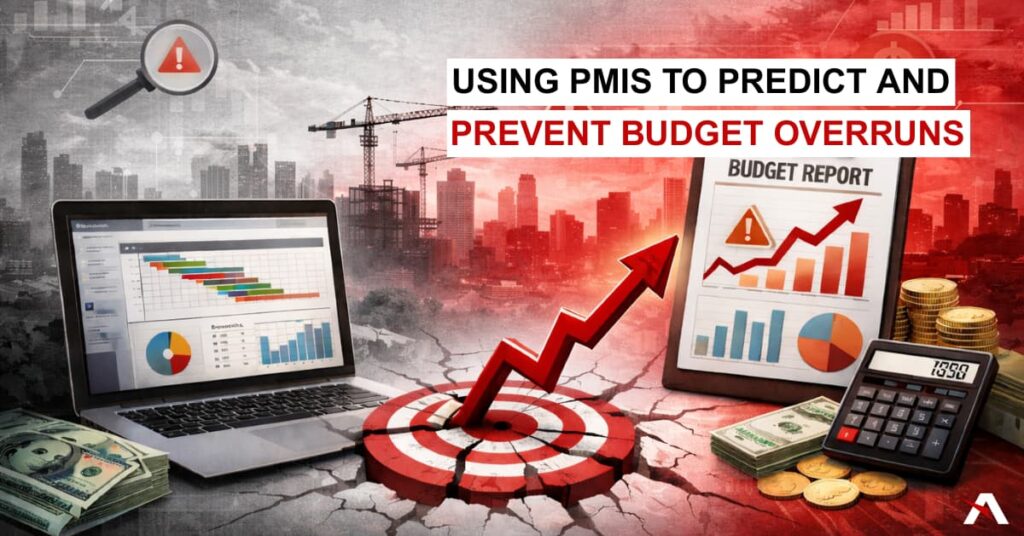
If you’ve managed projects for any length of time, you know budget overruns are one of the most persistent, painful, and costly problems in project management. And yet, most of them are entirely preventable. The difference between teams that consistently deliver on budget and those that don’t often comes down to one thing: how early […]
Best Practices for Managing QA/QC Across Multi-Segment Infrastructure Projects

From high-speed rail networks and major port expansions to urban transit systems and utility grids, infrastructure megaprojects now account for a major share of global construction activity. Due to this infrastructure expansion, government agencies are increasingly investing to meet growing societal demands. Construct Connect reports megaprojects drive a 58% annual increase in construction spending and […]
How Digital Inspection Workflows Improve Compliance and Audit Readiness
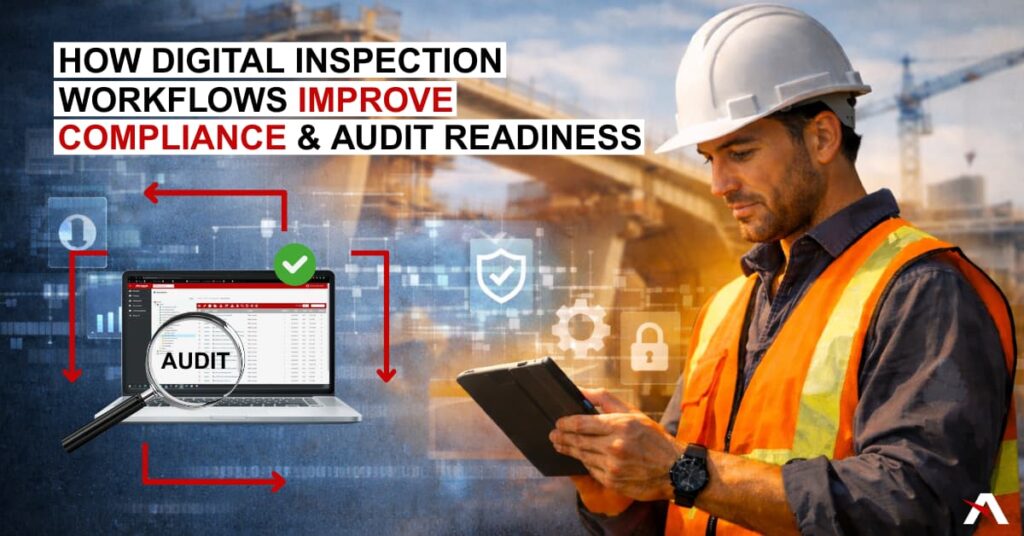
According to LaborLawCenter, the U.S. construction industry is experiencing significant growth. Approximately 11 million workers are currently employed across the industry, and the workforce has grown by an average of 3.9% over the past five years. However, despite this growth, the construction industry faces the challenge of embracing digital innovation as the industry continues to […]
Why Legacy Spreadsheets Fail to Manage Capital Improvement Programs
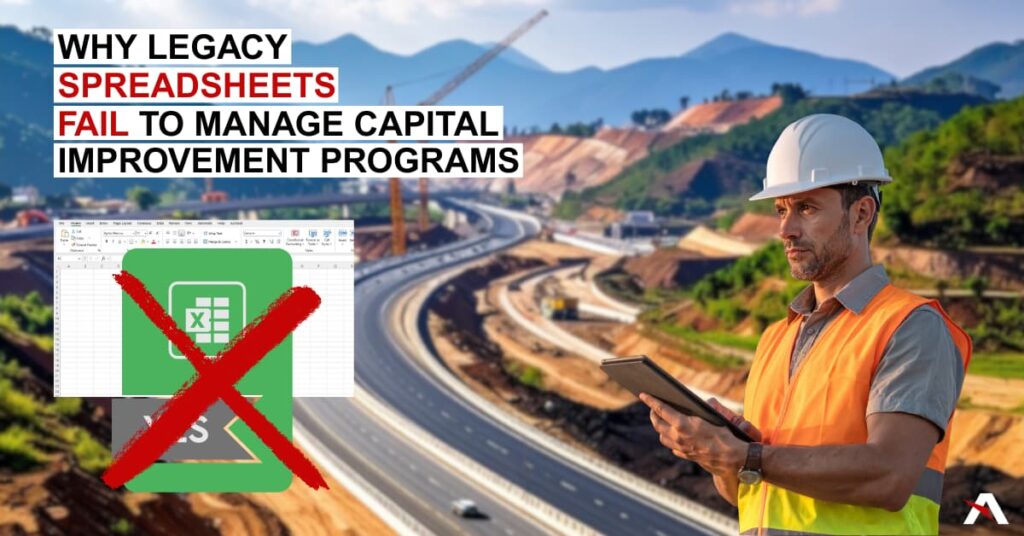
According to Saritasa, 62% of organizations still rely on outdated legacy software solutions. Reinforcing this gap, KPMG’s Global Construction Survey 2019: Future-Ready Index reports that only 34% use integrated project management systems. As a result, many companies lose Return On Investment (ROI) due to outdated spreadsheets and inefficient tools. This continued reliance further hinders performance […]