
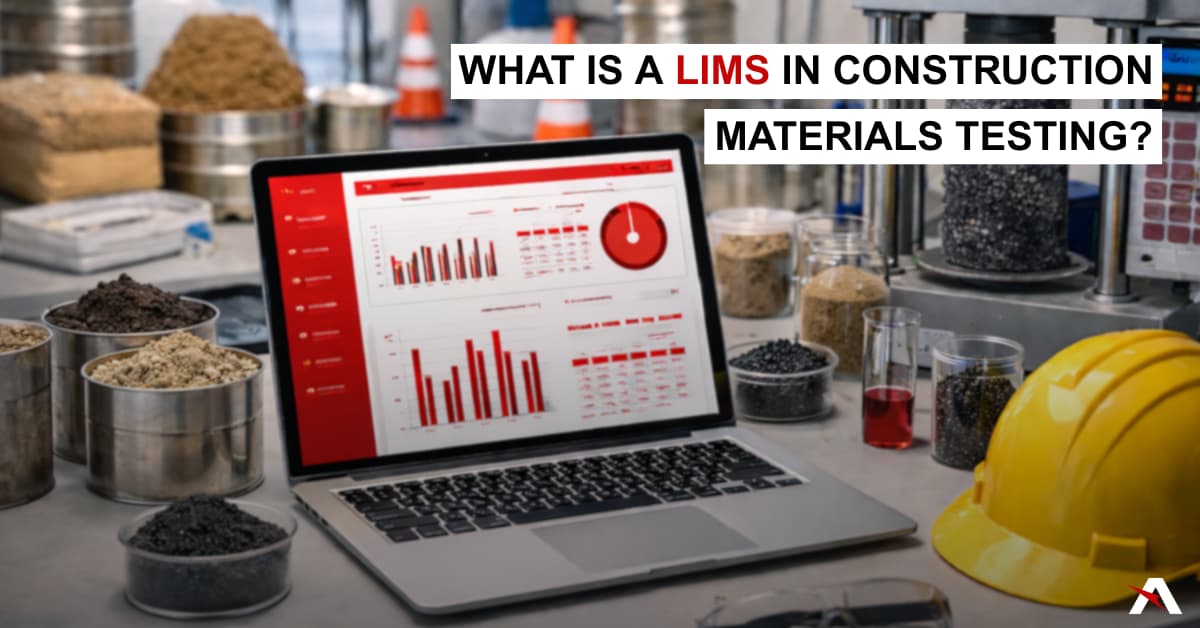
Before any large-scale civil engineering project moves into the construction phase, engineers and materials testing laboratories must complete one critical step: construction materials testing. Laboratory technicians test, document, verify, and approve every batch of asphalt, every concrete cylinder, and every soil sample. These testing processes ensure that the materials meet engineering specifications and safely support the infrastructure engineers build.
In this article, we explore construction materials testing best practices and explain how a Laboratory Information Management System (LIMS) has become a key technological innovation, enabling laboratories to operate more efficiently and accurately while managing testing and reporting at scale.
Understanding What a LIMS Is
According to ScienceDirect, a Laboratory Information Management System (LIMS) is software designed to manage laboratory data, workflows, and quality processes. It supports activities such as sample scheduling, electronic data capture, data tracking, and quality control management.
While LIMS platforms are widely used across scientific industries, including pharmaceuticals, biotechnology, and environmental testing, their role in construction materials testing laboratories is uniquely tied to infrastructure quality assurance.
In civil engineering laboratories, a LIMS serves as the central system for tracking the entire lifecycle of construction material samples, from the moment they are collected in the field to the final reporting of test results.
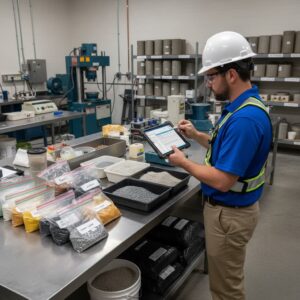
Samples of asphalt, concrete, soil, aggregates, or other construction materials are logged into the system, assigned standardized testing methods, and monitored throughout the testing process. Each step is documented digitally, allowing laboratories to maintain accurate records of testing procedures, calculations, approvals, and final reports.
The Role of LIMS in Civil Engineering Laboratories
Construction materials laboratories operate within strict regulatory frameworks governed by standards such as ASTM test methods, AASHTO procedures, and ISO/IEC 17025 laboratory accreditation requirements.
A LIMS helps laboratories comply with these standards by standardizing testing workflows and maintaining a fully traceable record of each sample. This includes details such as who performed the test, which method was used, and how the final results were generated.
Through this functionality, the system supports Quality Assurance (QA) and Quality Control (QC) teams in ensuring that construction materials meet engineering specifications. It also ensures that testing records remain audit-ready for transportation agencies, contractors, and regulatory authorities.
Despite these requirements, many laboratories responsible for verifying construction materials still rely on a patchwork of spreadsheets, paper records, and disconnected databases. As infrastructure programs continue to grow in scale and regulatory oversight becomes more rigorous, these traditional approaches are becoming increasingly difficult to manage.
Why LIMS Is Critical for Construction Materials Testing
The construction industry has historically been slow to adopt digital technologies. According to Construction Daily Reports, 73% of firms still face persistent digital adoption challenges, making the transition to modern data management systems particularly important.
This is where a LIMS becomes essential. By digitizing manual processes and centralizing testing information, laboratories can manage large volumes of quality data more effectively. Centralized databases allow organizations to improve documentation practices, meet quality objectives, and deliver faster and more reliable testing results.
Market data also reflects the growing importance of materials testing services. According to Gitnux, an independent market research provider, the materials testing services market generated $12.4 billion in revenue in 2022 and is projected to grow at a 5.8% Compound Annual Growth Rate (CAGR) through 2028.
To put this scale into perspective, the construction industry performed approximately 45 million concrete durability tests in 2023 alone.
Infrastructure projects generate enormous volumes of quality assurance data. Each batch of asphalt, every concrete cylinder, and every soil sample must be tested according to defined specifications. These results determine whether materials are accepted, rejected, or require further investigation.

The Federal Highway Administration (FHWA) emphasizes the importance of reliable testing processes in construction quality programs:
“Quality assurance testing is fundamental to ensuring that materials incorporated into highway construction meet required specifications and perform as intended”, Federal Highway Administration (FHWA), Quality Assurance Procedures for Construction.
Without structured data management systems, maintaining this level of oversight becomes extremely difficult. Laboratories may face challenges such as delayed reporting, duplicate data entry, and incomplete audit trails. In large transportation programs where multiple laboratories and contractors are involved, the absence of a centralized system can make it nearly impossible to maintain consistent quality records.
How a LIMS Supports Laboratory Testing Workflows
In a construction materials laboratory, a sample typically moves through several stages before final results are approved and reported.
The process begins when a sample is collected in the field and logged into the laboratory system. From there, technicians perform standardized tests using procedures defined by organizations such as ASTM International or the American Association of State Highway and Transportation Officials (AASHTO).
A LIMS supports these standardized processes by linking each sample to the appropriate test method, automatically recording calculations, and generating reports that meet regulatory and contractual requirements.
Instead of relying on manual spreadsheets or handwritten logs, laboratory personnel can manage testing workflows within a centralized digital platform. This improves traceability, reduces administrative overhead, and ensures consistent documentation across projects.
Assure-IT™ Supports Construction Materials Testing
For organizations seeking a LIMS designed specifically for the civil engineering and transportation industry, ATSER’s Assure-IT™ provides a comprehensive platform for managing construction materials testing operations.
Unlike generic laboratory software, Assure-IT™ was developed specifically to support workflows commonly found in transportation infrastructure projects. The system enables laboratories and agencies to manage sample tracking, testing procedures, and reporting requirements within a single integrated environment.
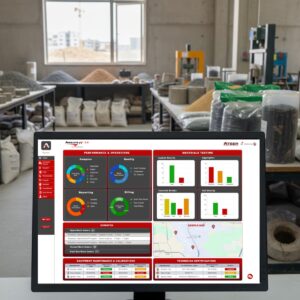
For Department of Transportation (DOT) agencies, engineering firms, and commercial laboratories responsible for overseeing construction materials testing, this integrated approach improves transparency, strengthens compliance oversight, and enables faster access to reliable testing information.
As infrastructure programs continue to expand and testing volumes grow, platforms like Assure-IT™ play an increasingly important role in helping agencies maintain consistent quality standards while managing large volumes of data.
As infrastructure projects grow more complex, laboratories need tools that can keep pace with increasing testing volumes and regulatory requirements. Assure-IT™ helps DOT agencies, engineering firms, and commercial laboratories streamline construction materials testing while maintaining full data traceability.
Schedule a demo to see how Assure-IT™ can help your team improve testing efficiency, compliance, and reporting.
References: